Hedge Trimming in Tottenham
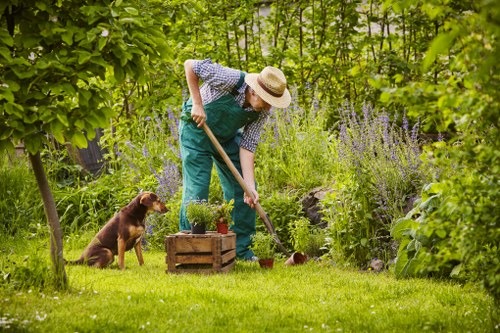
Hedge trimming in Tottenham needs a steady hand, the right seasonal judgement and a finish that suits the boundary it serves. We focus on maintaining hedges so they stay neat, healthy-looking and well proportioned, whether the work is for a front garden edge, a screening hedge, or a taller run that has begun to lose shape. The aim is simple: cut back growth with care, preserve the plant where possible, and leave a cleaner line that works for the property.
Good hedge work is rarely just about cutting. It is about control, balance and timing, especially when a hedge has mixed growth, awkward access or old woody sections that need a different approach from fresh shoots. We use sensible methods to manage the shape, reduce overhang and tidy the finished line without turning the hedge into a harsh block. Where relevant, we can also discuss how the trim should sit alongside other garden work so the result looks intentional rather than patchy.
If you need help with a hedge that has outgrown its space or simply needs a cleaner seasonal cut, request a quotation or use the contact details on the site to get started. A short description of the hedge type, its height and your preferred finish is often enough to begin a useful conversation.
Regular Hedge Cutting and Shape Maintenance

Regular hedge cutting keeps growth denser, tidier and easier to manage over time. A consistent cut helps maintain a fuller face and reduces the chance of one side running ahead of the other, which can happen when hedges are trimmed irregularly. For many gardens, the best results come from light, repeated maintenance rather than waiting until the hedge has become difficult to rein in. That approach is often better for the plant and more practical for the boundary line.
Different hedge species respond differently to trimming, so we take care to avoid a one-size-fits-all cut. Some hedges are best clipped to keep a clean formal profile; others need a softer approach to preserve leaf cover and avoid visible thinning. We can work with common boundary hedges, privacy screens and decorative lines, keeping the shape even and the edges crisp where the planting allows it.
Overgrown Hedges, Height Reduction and Harder Cuts

Some hedges need more than a maintenance trim. When growth has become heavy, one side has escaped, or the top has climbed beyond a manageable level, a more considered reduction may be needed. In these cases, the cut has to be planned around the hedge’s condition, because removing too much at once can leave gaps or create stress. We can discuss the practical level of reduction before work begins so the finished result is realistic for the plant and the site.
Height reduction is especially useful where access, light or boundary shape has changed. It can improve the view from a path, help a hedge sit more evenly with fences or walls, and bring the line back into proportion with the garden. In some situations, the best outcome is a staged cut rather than an aggressive one, allowing the hedge to recover while still regaining control. That approach is often the most sensible option for older or neglected growth.
For hedges with mixed thickness or weak lower sections, the finishing style matters as much as the amount removed. A tidy upper line may need to be paired with a slightly looser face below so the hedge still looks natural and keeps enough foliage to recover well. Measured trimming usually gives a better long-term result than trying to force every hedge into the same profile.
Access, Clearance and Finishing the Boundary Neatly
Hedge trimming is easier to plan well when access, debris handling and the final finish are considered together. Narrow side passages, hard surfaces, steps or planted borders can all affect how the work is carried out. Careful setup helps protect nearby features and keeps the cutting line accurate. We also make sure the finished edge looks intentional from the most visible viewpoints, not only from inside the working area.
A useful enquiry usually includes the hedge type if known, an approximate height, whether both sides need cutting, and whether there is room to reach the rear or upper face. If the hedge borders a pavement, driveway or shared line, it is also helpful to mention any access limits or special care around adjacent surfaces. Clear details at the outset make it easier to plan the right approach and the appropriate scope of work.
- Front boundary hedges and garden screening
- Seasonal shaping and maintenance trimming
- Reduction work for taller or uneven hedges
- Careful finishing around paths, walls and planted beds
Garden Maintenance That Sits Alongside Hedge Work

Hedge trimming often forms part of wider garden maintenance, especially where the boundary line needs to sit neatly with the rest of the outdoor space. A hedge that is clipped well but left surrounded by stray growth can still make the garden feel unfinished. We can combine hedge work with other routine tasks where appropriate, helping the space look more settled and easier to keep on top of over the season.
Our garden maintenance approach can include tidy-up work around the hedge line, light clearance of clippings and general shaping that keeps the planting area looking ordered. Where a garden has mixed features, such as lawn edges, borders or hardstanding nearby, the hedge cut can be planned so it complements the whole setting instead of sitting awkwardly on its own. That is particularly useful where the hedge forms a visual frame for the rest of the plot.
About Tottenham
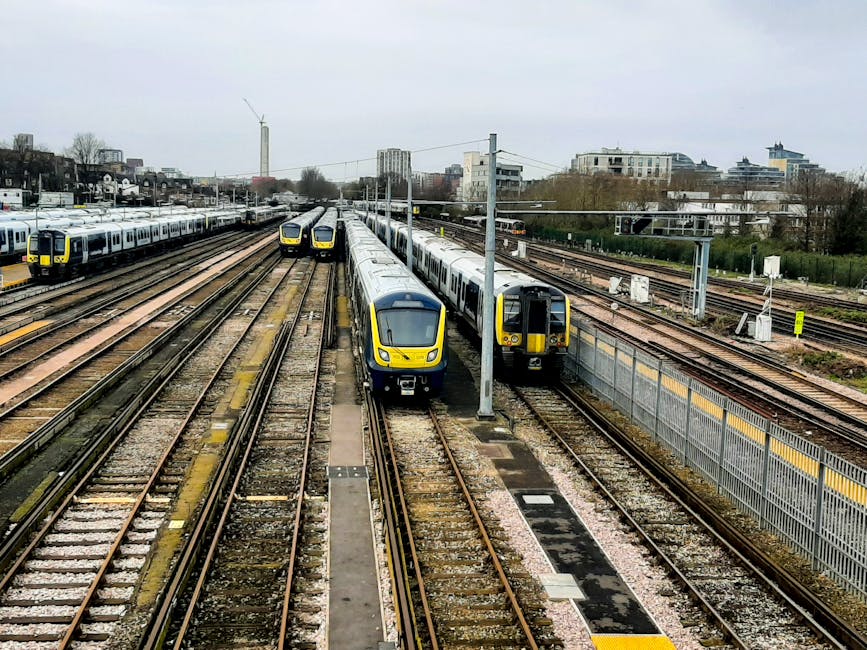
Tottenham is an area in north London within the borough of Haringey, shaped by a mix of long-established streets, transport corridors and changing residential neighbourhoods. It lies between other parts of north and east London and is crossed by major routes that have influenced movement and development for well over a century. The area includes a variety of housing forms, from terraces and estate housing to later infill and converted buildings, so its streetscapes can change noticeably from one block to the next. Tottenham is also closely associated with the River Lea corridor and the wider network of waterways, marshes and open spaces that run along the eastern side of the borough. Public green spaces, local parks and playing fields provide breathing room within a densely built part of the capital, while the high street and nearby transport links create a busy urban core. The area has a strong sporting identity through Tottenham Hotspur Stadium and a broader cultural life shaped by markets, community venues and independent businesses. Historic layers remain visible in churches, civic buildings and older terraces, even as newer development continues around key routes and stations. Taken together, these features give Tottenham a distinctive mix of movement, density and everyday neighbourhood character that reflects both its history and its present-day city life.
Garden Clearance Before Hedge Work

Where hedges sit in a garden that has become cluttered, hedge trimming can be more effective once the surrounding space is made workable. Clearing around the base and along the access route can improve reach and make the cut more accurate. It may also reveal the true line of the hedge, especially when overgrowth has crept beyond the original boundary. We can discuss garden clearance where it supports a cleaner trim and a more practical finish.
This is particularly relevant where branches have tangled with other planting, old supports or unwanted growth near the hedge. Removing nearby obstructions can make it easier to maintain a straight line and reduce the chance of missing hidden sections. It can also help the hedge dry and breathe more evenly after cutting, which is useful when the planting is dense. The result is a neater boundary that feels deliberate rather than simply reduced.
If your hedge needs a proper tidy after a period of growth, or if the surrounding garden needs attention first, ask for a quotation and describe the current condition. We can then help you judge whether the work is best treated as a simple trim, a heavier reduction or a broader tidy-up of the area.
Shaping Hedges for Front Gardens, Screens and Boundaries
The right hedge shape depends on what the planting is meant to do. A front garden hedge may need a lower, more open finish that keeps sightlines sensible, while a privacy hedge may need a fuller upper line and a stable face to maintain screening. Some hedges are decorative and benefit from crisp edges; others work best when the trim preserves a softer, more natural outline. Matching the cut to the hedge’s purpose is part of getting the result right.
We can tailor the finish to suit the boundary and the season of growth, keeping the hedge visually balanced from multiple angles. That may mean squaring off the top, easing back the sides or bringing one section into line with the rest of the run. The important point is consistency. Even a simple trim looks better when the final shape is thought through rather than cut arbitrarily.
Hedge Trimming Methods and Plant Care
Cutting technique matters because hedges are living plants, not just green barriers. The position of the cut, the amount removed and the direction of the shaping all influence how the hedge looks after trimming and how it grows back. With many species, a careful pass that follows the hedge’s natural line is better than trying to create a perfect geometric block. We aim for a finish that is clean but still suits the planting.
Seasonal timing can also affect the outcome. Some hedges respond well to frequent light trims, while others need less frequent attention and a more considered reduction. If the hedge has flowering growth, newer shoots or a naturally looser habit, the trim may need to preserve key parts of the plant rather than cutting everything back uniformly. This kind of judgement helps keep the hedge healthy-looking and avoids unnecessary stress.
Well-timed trimming can support a hedge that stays dense where it should, while still remaining manageable for the property owner. If you are unsure how hard the hedge should be cut, it is sensible to discuss the current state first rather than assuming a standard cut will suit every plant. The best result is usually one that respects the hedge’s own growth pattern.
Quotation Details and What Helps Us Plan the Job
A useful quotation request should be straightforward and specific. It helps to know the hedge location within the garden, whether one side or both sides need cutting, the rough height and length, and whether there are any access issues around gates, fences or outbuildings. If the hedge stands on a boundary shared with another property or near a public path, that is worth mentioning too, as it can affect the practical approach to the work.
You do not need to write a long brief. A few clear points usually give enough context for a proper estimate and help avoid confusion about the scope. If you are combining hedge trimming with other garden work, say so at the same time so the schedule and effort can be considered together. The more clearly the job is described, the easier it is to provide a relevant quotation and a tidy finish.
To move things forward, get in touch with the details of the hedge and the outcome you want. We can then discuss the trimming needed and agree the most practical way to approach it.