Hedge Trimming Tottenham: Recycling and Sustainability Commitment
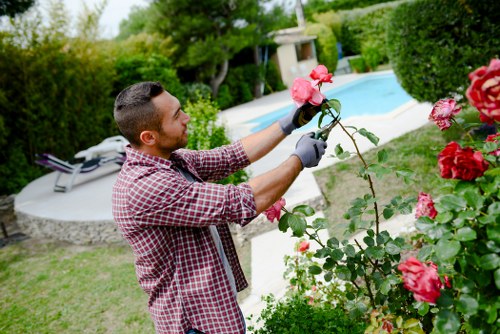 At Hedge Trimming Tottenham we place sustainability at the heart of every job. Our approach to hedge trimming in Tottenham focuses on creating an eco-friendly waste disposal area and a practical, sustainable rubbish gardening area at each site. We minimise landfill contribution by separating green waste on-site, chipping branches where possible, and ensuring that usable materials enter local reuse streams rather than being treated as general waste.
Our team uses best practice for Tottenham hedge trimming and garden clearance, sorting materials into clearly labelled containers to reflect the boroughs' approach to waste separation. We follow local segregation rules—paper, plastic, glass and mixed recycling are separated from garden waste and food scraps—so that municipal collections and transfer stations can process them efficiently. This reduces contamination and increases the value of materials for recycling or composting.
How we manage garden waste and green residues
 We treat the sustainable rubbish gardening area as a small-scale transfer hub: organic clippings are composted or chipped on-site when feasible, while bulk green waste is taken to authorised facilities. Our Tottenham hedge maintenance teams coordinate with municipal collections and local transfer stations to make sure material moves through the proper recycling channels quickly and safely.
We have set a clear recycling percentage target to measure progress: our goal is to recycle or reuse at least 85% of green waste produced from hedge work within the next three years, and to achieve an overall 70% diversion from landfill across all waste streams related to landscaping and pruning. These targets are reviewed quarterly and published internally to ensure continuous improvement.
Part of reaching these targets is working with municipal infrastructure. We regularly use nearby transfer stations and processing centres to move material efficiently; examples include North London transfer facilities and borough composting hubs that accept chipped wood and green residues. Working close to where waste is generated reduces vehicle miles and speeds up recycling turnaround.
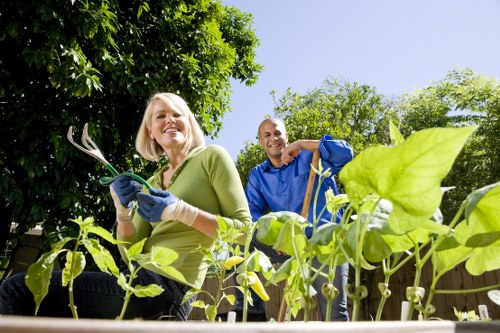 Our service model for Tottenham hedge trimming includes on-site separation and documentation of material types, which helps boroughs meet statutory recycling targets. We track the tonnage of woodchip, compostable material and recyclables diverted from landfill and aim to improve performance year-on-year through training and process refinement.
Partnerships and community reuse
We partner with local charities, community gardens and reuse organisations to give materials a second life. Where branches and larger timber are suitable, they are offered to community projects for habitat creation, raised beds and woodfuel. Smaller amounts of clean turf or soil are donated to community allotments when available.Our collaborations are designed to support the Tottenham neighbourhood and foster a circular approach to garden waste. Key activities include:
- Supplying woodchip to community green spaces for mulching
- Donating prunings for wildlife habitat piles in local parks
- Working with reuse groups to redistribute intact planters and garden furniture
We believe community partnerships strengthen local resilience and reduce the environmental footprint of Tottenham hedge trimming, while creating visible benefits in the neighbourhood.
Our environmental management includes staff training on waste classification, routine audits of job-site separation, and clear labelling of bins and bags so that every operative understands the recycling flows. We also provide clients with a simple record of what was recycled or reused after each job to reinforce transparency and accountability.
 A crucial part of lowering our carbon footprint is fleet management. Hedge Trimming Tottenham now deploys low-carbon vans—electric models for central routes and efficient hybrids for longer suburban transfers—combined with route optimisation software to reduce empty runs and idling. This reduces emissions associated with collecting and transporting green waste to transfer stations and composting facilities.
 We also invest in low-emission equipment for on-site chipping and mulching and emphasise maintenance to keep machines fuel-efficient. By pairing low-carbon transport with on-site processing, we cut both energy use and the number of trips needed to move materials, further supporting our recycling percentage target and overall sustainability goals.
Beyond operational measures, we align with borough waste separation policies to ensure compatibility with council recycling systems. Tottenham and neighbouring boroughs encourage separation of organics from mixed recycling; by following those standards we help increase the effectiveness of municipal recycling collections and reduce contamination rates at processing plants.
Monitoring and continuous improvement: we review performance metrics every month and publish internal summaries to track progress toward our recycling targets. When a shortfall appears, we implement corrective actions such as additional training, updated signage for waste streams, or revised vehicle routing.
Hedge Trimming Tottenham is committed to practical, verifiable sustainability—reducing landfill waste, supporting local community reuse, and cutting transport emissions through low-carbon vans. By combining smart site practices, partnerships with charities and reuse groups, and careful coordination with local transfer stations and borough recycling systems, our Tottenham hedge trimming services deliver greener outcomes for clients and the wider community.