Skip hire and green waste rules Tottenham council garden disposal
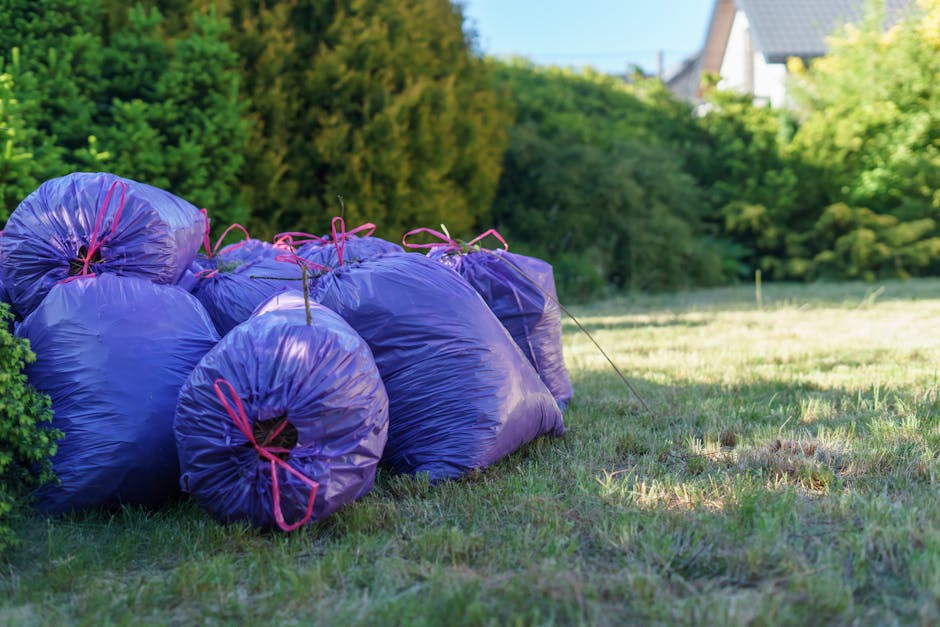
If you are clearing a garden in Tottenham, the waste can build up fast: hedge cuttings, grass clippings, soil, branches, old turf, even a few broken pots that somehow multiply overnight. The tricky part is that skip hire and green waste rules Tottenham council garden disposal is not just about getting rid of it all in one go. It is also about sorting what can go in a skip, what needs separate handling, and what should be taken away as green waste or recycled properly.
Get that balance right and the job is simpler, cleaner, and usually cheaper too. Get it wrong and you can end up with contamination issues, refused collections, extra charges, or waste that has to be re-sorted later. Not fun. This guide breaks the whole thing down in plain English so you can plan garden disposal properly, stay on the safe side, and choose the most sensible route for your project.
- Why the rules matter
- How skip hire and green waste disposal work
- Key benefits and practical advantages
- Who this is for and when it makes sense
- Step-by-step guidance
- Expert tips for better results
- Common mistakes to avoid
- Tools, resources and recommendations
- Law, compliance, standards and best practice
- Options and comparison table
- Case study or real-world example
- Practical checklist
- Conclusion
- Frequently asked questions
Why Skip hire and green waste rules Tottenham council garden disposal Matters
Garden waste looks harmless enough until you try to move it. A few bags of clippings become a small mountain, and suddenly the question is not just "How do I clear this?" but "How do I clear it properly?" That is where rules around skips, garden waste, and local disposal expectations start to matter.
In Tottenham, as in the rest of London, you need to think about three things at the same time: the type of waste, where it is going, and whether it is being handled in a way that avoids nuisance, spillage, or contamination. Green waste is usually straightforward when it is kept clean and separate. A skip can be useful for mixed garden clearance, but it is not a catch-all solution for everything.
The biggest issue is often separation. Fresh hedge cuttings, leaves, grass, and small branches are very different from rubble, fence panels, old timber with paint on it, plastics, or soil mixed with stones. When these are blended together, disposal becomes harder and costs can rise. A tidy plan at the start saves time later. Truth be told, it also saves a lot of back-and-forth on collection day.
If you already use broader garden services such as garden clearance or ongoing garden maintenance, disposal is easier to manage because waste is produced in smaller, more predictable volumes. That is often the difference between a calm job and a slightly chaotic one with bags piled by the gate.
How Skip hire and green waste rules Tottenham council garden disposal Works
At a practical level, there are usually two routes for garden waste: a skip hire service or a green waste collection/handling approach. The right one depends on volume, material type, access, and how quickly you need the area cleared.
A skip is best when you have a large amount of waste, mixed materials, or a one-off project. Green waste disposal is more suitable when the waste is almost entirely organic and clean, like hedge trimmings, grass, leaves, and light prunings. Some jobs sit in the middle, which is where many people get caught out. A tree cut-back, for example, can produce both clean green waste and heavier woody material that fills space quickly.
Tottenham properties also bring the usual London reality: limited driveway space, narrow access, parking pressure, and neighbours who will definitely notice a skip if it sits awkwardly on the road. That does not make skip hire bad. It just means planning matters more than ever.
If the job includes larger branches or stump-like material, services such as tree lopping and removal may generate waste that needs a slightly different disposal approach from ordinary mowing cuttings. Likewise, if the project sits inside a wider redesign, you may need to coordinate with landscaping work so the waste plan matches the project stages.
In most cases, the process follows a pattern:
- Identify the waste types before collection starts.
- Separate clean green waste from mixed rubbish where possible.
- Choose skip size or removal method based on volume and access.
- Avoid loading prohibited items into a green waste stream.
- Make sure the waste is taken to the right treatment route.
Simple on paper, but the details matter.
Key Benefits and Practical Advantages
Done properly, garden disposal is not just tidier. It is more efficient, more compliant, and usually less stressful. A clear system gives you a better job from start to finish.
- Cleaner site management: Waste does not sit around soaking up rain, attracting pests, or blocking access paths.
- Better cost control: Mixed waste is often more expensive to manage than clean green waste.
- Less re-handling: Sorting waste once, properly, is far easier than sorting it twice.
- Fewer collection problems: Clear loading rules reduce the risk of a refused pickup.
- More sustainable disposal: Organic material can often be recycled or composted through the right route.
There is also a mental benefit, which sounds minor until you are standing next to a heap of branches at 6pm on a wet Tuesday. A structured disposal plan makes the whole job feel manageable. You know where the waste is going, what can be mixed, and what needs special handling. That reduces second-guessing, which is surprisingly valuable.
For households that want an environmentally careful approach, the service information on recycling and sustainability is a helpful place to align disposal choices with better waste outcomes.
Who This Is For and When It Makes Sense
This topic matters for more people than you might expect. If you are dealing with a small border tidy-up, you may not need a skip at all. But once the job becomes more than a few bags, it is worth thinking like a project manager rather than just a gardener for the afternoon.
It makes sense for:
- homeowners clearing a garden after a long period of neglect
- landlords preparing a property between tenancies
- people tackling hedge, shrub, or tree reduction work
- households upgrading patios, decking, or outdoor areas
- anyone who wants one organised removal rather than multiple car trips to a disposal point
If your project includes hard landscaping, old decking, or mixed waste from a bigger overhaul, then the answer is often not simply "get a skip" or "just use green bins". It may be a combination. For example, a garden redesign could produce soil, old wood, cuttings, and packaging from materials. In that case, a broader service like garden clearance is often a more practical fit than trying to handle each material separately by yourself.
And if you are already planning replacement features, the team pages for decking services can be relevant because the removal stage often creates waste before the new surface goes in. That's the point people sometimes forget. The old stuff has to go somewhere first.
Step-by-Step Guidance
Here is the simplest way to approach skip hire and green waste disposal without overcomplicating it.
- Walk the site first. Look at what is being removed, not just what looks bulky. A pile of wet grass can weigh far more than it appears.
- Split the waste into clear groups. Green waste, soil, timber, general rubbish, and inert material should not all be treated the same.
- Decide whether a skip is needed. If the waste is mostly organic and light, a green waste collection may be enough. If it is mixed or bulky, a skip may be the better option.
- Check access carefully. Think about gate width, driveway space, road placement, and whether the waste can be carried out safely.
- Plan for the awkward bits. Old root balls, broken slabs, and dense woody sections can change the size calculation fast.
- Load sensibly. Keep the contents level, avoid overfilling, and do not bury unsuitable material under a layer of leaves.
- Arrange removal at the right time. If the work is being done in stages, collection should follow the main cutting and clearing rather than happen too early.
A small but useful tip: if you are trimming hedges, mowing, and clearing borders in the same session, stack the waste by type as you go. It feels slower at first, but the ending is far smoother. One person's "extra sorting" is another person's Saturday saved.
Services such as hedge trimming and lawn mowing often generate a steady flow of green waste, so keeping those materials separate from general rubbish is one of the easiest wins.
Expert Tips for Better Results
If you want the job to run smoothly, a few habits make a real difference.
- Keep green waste clean. Soil, plastic ties, plant pots, and household rubbish can contaminate an otherwise recyclable load.
- Cut waste down before loading. Shorter branches and compacted clippings make better use of space than long tangled material.
- Do not mix too many material types. Mixed waste is harder to process and can weaken the environmental benefit of recycling.
- Use the right service for the job size. Tiny jobs do not need oversized solutions, and huge jobs need more than guesswork.
- Think about weather. Wet cuttings are heavier, and rain can turn light waste into a much more awkward load. Classic British garden surprise, really.
If you are unsure whether a project is best handled as routine upkeep or a full clear-out, the distinction between garden maintenance and one-off clearance is worth making early. Maintenance usually keeps waste levels lower and more predictable, which often means easier disposal overall.
Another practical point: in busy residential streets, timing matters. Early collections can reduce disruption, while carefully staged work can avoid blocking entrances or creating a pile that sits for longer than intended. Neighbours appreciate that, even if they do not say so loudly.
Common Mistakes to Avoid
Most disposal problems come from a handful of avoidable mistakes. They are common, and to be fair, everyone makes at least one of them the first time.
- Assuming all garden waste is the same. It is not. Grass clippings, branches, soil, and timber behave very differently.
- Overfilling a skip. This can lead to refusal, safety issues, or extra costs.
- Mixing in prohibited items. Green waste should stay green. Household junk does not magically become compostable because it was next to a hedge.
- Forgetting access restrictions. A skip or collection vehicle still needs a workable route.
- Ignoring local rules or permit needs. If a skip has to sit on a public road, permissions may be needed.
- Waiting until the waste pile gets out of hand. That is usually when costs and stress start climbing together.
One common scenario is a weekend garden tidy where everything gets piled into the same area "just for now". By Sunday evening, you have one heap of clippings, one heap of broken canes, a bag of old compost, and a vague sense of defeat. The solution is not heroic effort at the end. It is better sorting from the beginning.
Tools, Resources and Recommendations
You do not need specialist equipment for every small garden job, but the right tools make disposal easier and safer. A few basics go a long way.
| Tool or resource | What it helps with | Why it matters |
|---|---|---|
| Heavy-duty garden bags | Collecting leaves, clippings, and light waste | Reduces spillage and makes handling tidier |
| Tarpaulin | Keeping waste together before removal | Useful when working on driveways or patios |
| Loppers and pruning saws | Reducing branch size | Helps waste fit more efficiently into a skip or pile |
| Wheelbarrow | Moving heavier loads | Less strain and fewer dropped bundles |
| Professional clearance service | Handling mixed or bulky waste | Best when the job is bigger than a simple tidy-up |
If you are comparing service levels, the overview at services overview can help you see how disposal fits alongside other outdoor work. That is especially useful if the waste issue is part of a larger plan rather than a one-off collection.
For practical budgeting, the pricing and quotes page is a sensible next step when you want to understand how the scale of the job can affect the overall approach. No guesswork needed, which is refreshing.
Law, Compliance, Standards, or Best Practice
Waste disposal in the UK is regulated, and although this article is focused on practical garden disposal in Tottenham, the safe approach is always to assume that proper handling matters. Garden waste should be stored, moved, and transferred responsibly, with attention paid to contamination, nuisance, and the route it takes after collection.
In plain terms, the key best practices are:
- keep recyclable green waste separate where possible
- do not mix in materials that change the waste category
- use an appropriate collector or licensed route for removal
- avoid placing waste where it can block access or create hazards
- check whether a skip on a public highway would need local permission
For homeowners, the main thing is not to treat compliance as a theoretical issue. If waste is left loose, contaminated, or in the wrong place, it can create avoidable problems. And if you are hiring help, it is reasonable to ask how the waste will be separated and handled. That is not fussy. It is sensible.
Professional providers should also have clear expectations around safety and liability. If you want to understand how a business thinks about risk and working practices, the site pages on health and safety policy and insurance and safety are useful for building trust before you book anything.
Options, Methods, or Comparison Table
Not every job needs the same disposal method. Here is a straightforward comparison to help you decide.
| Method | Best for | Strengths | Limitations |
|---|---|---|---|
| Skip hire | Large, mixed, or bulky garden waste | Convenient, handles volume well | Needs space and may require a permit if on-road |
| Green waste collection | Clean organic waste like cuttings and leaves | Simple and often efficient for lighter jobs | Not ideal for mixed or contaminated waste |
| Manually bagging and taking away yourself | Small tidy-ups | Cheap for very small volumes | Time-consuming, limited capacity, multiple trips |
| Full garden clearance service | Overgrown or one-off bigger clearances | Most efficient for complex jobs | Usually more involved than simple waste removal |
If the job is mainly hedge cuttings and grass, a green waste route is often enough. If there is old timber, mixed rubbish, or heavy material, a skip or clearance service is usually the smarter choice. Simple as that.
Case Study or Real-World Example
Imagine a typical Tottenham back garden after a few seasons of light neglect. The hedge has grown a little wild, the lawn is patchy, and the border has become a catch-all for old pots, roots, and faded plant labels. Nothing dramatic, but enough to feel like a proper task.
The first instinct is often to clear everything into one pile and deal with it later. That usually backfires. Once the clippings, soil, and broken garden items are mixed, the waste becomes heavier and less straightforward to remove. In a more organised approach, the hedge cuttings are kept separate, the lawn arisings are bagged, and the old non-organic bits are set aside. If there is more volume than expected, a skip can be introduced for the mixed or bulky portion while the clean green waste follows its own route.
The difference is noticeable. The garden is cleared faster, the waste is easier to manage, and the final result looks neater because the site does not stay cluttered while someone tries to figure out what goes where. It is one of those jobs where half the battle is won by not making the waste management harder than it needs to be.
If the garden project also involves planting, reshaping, or a broader makeover, then landscape gardening can bring the waste plan into the design plan instead of treating it as an afterthought. That small shift can save a lot of hassle.
Practical Checklist
Use this checklist before you book or start disposal work:
- Identify whether the waste is mostly green waste, mixed waste, or heavy material.
- Check whether you need a skip or whether bagged green waste is enough.
- Measure access space for collection or placement.
- Separate clean organic waste from plastics, soil, rubble, and timber where possible.
- Keep pathways clear so the waste can be moved safely.
- Ask how the waste will be handled after collection.
- Plan for wet weather if the work is outdoors for more than a few hours.
- Make sure larger pruning or tree work is accounted for early.
- Review the business pages that explain approach, safety, and trust information if hiring help.
- Have a final sweep of the site so nothing useful is accidentally thrown away.
And yes, one last little habit helps more than people expect: take a quick photo of the waste pile before collection. It is a simple reference point if you need to explain volume or spot whether anything was missed. Handy, if mildly unglamorous.
Get a free quote today and see how much you can save.
Conclusion
Skip hire and green waste disposal in Tottenham becomes much easier once you stop treating every bit of garden debris as the same thing. Clean organic waste, mixed rubbish, heavy material, and bulky cuttings all have different disposal needs. Get the categories right, and the whole job becomes clearer, safer, and less expensive to manage.
The best approach is usually the simplest one: sort early, separate waste properly, and choose the disposal method that fits the actual job rather than the one that sounds easiest in the moment. If you are doing a small tidy-up, keep it lean. If you are dealing with a larger clear-out, use a service that can handle the reality of the site, not just the hopeful version of it.
That kind of planning sounds dull until you are standing in a clean, finished garden with no piles left behind. Then it feels worth it. Every time.
Frequently Asked Questions
What counts as green waste for garden disposal?
Green waste is usually organic garden material such as grass cuttings, hedge trimmings, leaves, weeds, and small prunings. If it is clean and plant-based, it often fits this category. Once you add soil, plastic, rubble, or general rubbish, it may no longer be suitable for a green waste route.
Can I put all garden waste into a skip?
Not always. A skip is useful for many garden jobs, but you still need to avoid restricted or unsuitable items. Mixed waste is often allowed in a general skip, but green waste should ideally stay separate if you want the cleanest and most efficient disposal route.
Do I need a permit for a skip in Tottenham?
If the skip has to go on a public road or highway, a permit may be needed. If it fits safely on private land, such as a driveway, that may not be necessary. The exact requirement depends on placement, so it is worth checking before the skip arrives.
Is green waste disposal cheaper than skip hire?
Often, yes, especially for lighter, cleaner loads made up mostly of organic material. But it depends on volume and access. Once the job includes bulky or mixed waste, skip hire or a clearance service may become the better value overall.
What should not go in green waste?
In general, avoid plastic, pots, treated wood, household rubbish, rubble, metal, and heavily contaminated soil. Even a few wrong items can make a load harder to process properly. It is better to keep the organic material clean from the start.
How do I know whether I need a skip or a garden clearance service?
If the waste is simple and mostly green, a smaller disposal route may be enough. If the garden is overgrown, cluttered, or full of mixed debris, a broader clearance service is usually the more practical choice. A good rule is: if you are unsure after a quick site walk, the job is probably bigger than a simple bag-and-go approach.
Can soil go in a green waste collection?
Usually not in large amounts. Soil often needs a different handling route, especially if it is mixed with stones or construction debris. A small amount may be treated differently depending on the service, but it should never be assumed to be fine without checking first.
What is the best way to handle hedge cuttings?
Keep them separate from general rubbish and compact them where possible. Hedge cuttings take up a lot of space when loose, so reducing their bulk before loading makes disposal much easier. If you are doing regular hedge work, a service aligned with hedge trimming can help keep the waste flow predictable.
How do I avoid extra charges when hiring a skip?
Keep the load within the stated limits, do not overfill the skip, and avoid mixing in prohibited items. Also, be clear about the type of waste before booking. Mismatched waste is one of the most common reasons costs rise unexpectedly.
Is it better to clear the garden in stages or all at once?
It depends on the size of the job. Small and medium jobs are often easier to manage in one organised session. Bigger or more complex jobs may be better handled in stages, especially if different waste types are being created at different times. Staging can be calmer, although it does take a bit more planning.
Where can I find more information about related garden services?
If you are planning more than just disposal, it can help to look at broader service pages such as garden clearance, services overview, or recycling and sustainability. Those pages can help you connect the waste plan to the actual garden work.
What should I ask before booking disposal help?
Ask what types of waste are accepted, how materials are separated, whether access is suitable for the property, and how the waste will be handled after collection. It is also sensible to ask about safety and insurance expectations if the work is being carried out by a contractor.
Can a garden disposal job include tree or hedge work?
Yes, and that is very common. In fact, many clearances start with hedge or tree work and then move into waste removal. If you are dealing with larger branches or heavier cuttings, the disposal plan should be adjusted early so the waste does not become an afterthought.
How do I keep the job environmentally responsible?
Separate clean green waste, avoid contamination, and choose the disposal route that supports recycling or composting where possible. If you are using a professional service, ask how they approach recycling and sustainability. The extra two minutes can make a real difference, honestly.